
Stainless Steel in Bakery Equipment: 304 vs 316 for the US Market

When you’re cranking out sourdough proofers, rack ovens, or dough dividers, you don’t just care about performance — you care about what survives flour dust, steam, nightly CIP (clean-in-place), and the occasional spilled brine. At the heart of nearly all commercial bakery hardware is stainless steel, but not all stainless steels are created equal. The two workhorses in food-grade metallurgy are 304 and 316 stainless steel. Let’s break down which one is right for your bakery equipment — and when the “premium” choice is actually just budget theater.
🥖 Why Stainless Steel Rules the Bakery Floor
In bakery production environments, material choice isn’t fashion — it’s hygiene, durability, and real cost management:
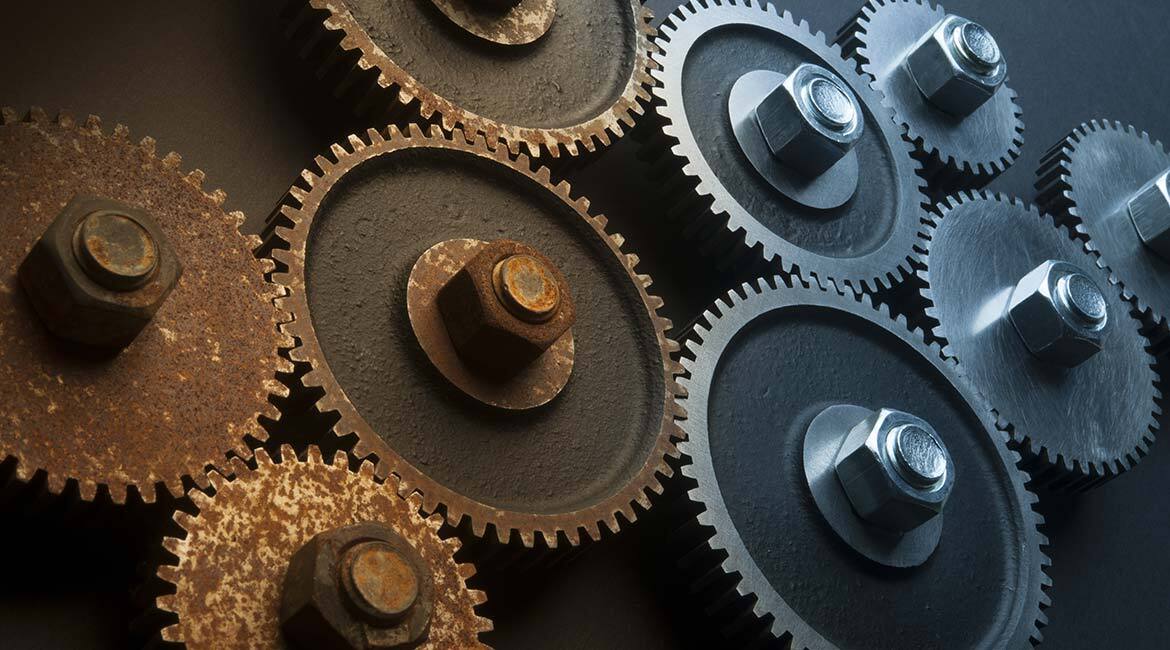
- Corrosion resistance: Flour, sugar acids, steam, sanitation chemicals — these are a cocktail that’ll make plain carbon steel weep. Stainless steel resists rust by forming a protective chromium oxide layer.
- Cleanability: A smooth, non-porous surface is crucial for food safety compliance (think FDA & NSF standards).
- Mechanical performance: Strength, formability, and weldability matter when building carts, hoppers, tanks, conveyors, and proofers.
In other words — you want steel that keeps your plant sanitary, your QA auditor happy, and your CAPEX reasonable.
🍷 Meet the Contenders: 304 vs 316
🧠 304 Stainless Steel

👉 Think of 304 as the Swiss Army knife of stainless steel. It’s the default “food-grade” option with excellent corrosion resistance and great price-to-performance for most bakery environments.
- Chemical makeup: ~18–20% chromium, 8–10.5% nickel.
-
Pros:
- Broad corrosion resistance.
- Easy to weld and fabricate even into complex shapes.
- More cost-effective and widely stocked than 316 globally.
- Typical uses: Table tops, sinks, general food-contact surfaces, dough circulators, sheeters, dryers, and most interior equipment.
✔ Bakery reality check: If your environment is mostly neutral (flour, sugar, water + standard cleaning), 304 is usually perfectly adequate.
👑 316 Stainless Steel
Now imagine 304 with a secret weapon: molybdenum (~2–3%). That single addition gives 316 the upper hand in aggressive environments.
- Chemical makeup: ~16–18% chromium, 10–14% nickel, plus 2–3% molybdenum.
- Pros:
- Typical uses: Brine tanks, salty sauce mixers, coastal bakery plants (marine air), and equipment heavily exposed to aggressive sanitizers.
⚠️ Budget note: 316 typically costs 20–30% more than 304 due to molybdenum and additional alloying.
🍞 Decision Tree: When to Use Which
Here’s a quick, operational rule of thumb tailored to bakery equipment:
| Scenario | Recommended Grade | Why |
|---|---|---|
| Standard indoor bakery (dry flour + water + mild acids) | 304 | Excellent performance at lower cost |
| High chloride/brine use (pretzel coils, seasoned batters) | 316 | Better pitting & crevice resistance |
| Frequent aggressive CIP/caustics | 316 | Longer life against harsh chemicals |
| General kitchen equipment | 304 | Industry standard choice |
| Outdoor or coastal production facility | 316 | Salt air accelerates corrosion |
📌 Real-World Examples
Example 1: A mid-size US bakery installs stainless fabrication tables, proofing cabinets, and mixers in a climate-controlled building — 304 fits beautifully. Surface contact is mostly neutral pH, and cleaning chemicals are industry standard.
Why it works: Excellent corrosion resistance, affordable, easier to weld and fabricate.
Example 2: A sourdough pretzel line uses heavy brining plus ZIP-CIP acids daily. Here, switching to 316 for tanks and processing conveyors reduces pitting corrosion after six months of service.
Why it paid off: Higher upfront cost but fewer replacements and less downtime.
🧠 Pro Tips for Bakery OEMs & Purchasers
- Surface finish matters more than you think: A polished or 2B finish enhances cleanability, reducing microbial adhesion — critical in food safety audits.
- Mills & certificates: Always ask for mill test certificates (EN 10204 / ASTM A480) to verify grade compliance.
- Don’t over-spec “premium” grades by default: Over-spec’ing 316 everywhere is like putting jet engines on a bicycle — gorgeous but unnecessary.
❓ FAQ – Stainless Steel in Bakery Equipment
Q1: Is 304 stainless steel food-safe?
A: Yes! Both 304 and 316 meet food-contact regulatory standards and resist corrosion in typical bakery environments.
Q2: Does 316 always last longer than 304?
A: In chloride-rich or chemically aggressive settings — absolutely. In neutral conditions, the lifespan difference is smaller, and 304’s value shines.
Q3: Will 316 help if I’m just doing standard cleaning?
A: Not meaningfully — 316’s advantages are seen when you’ve got chlorides, harsh CIP acids, or coastal salt spray.
Q4: How do I verify stainless grade?
A: Datasheets, third-party test reports, or handheld XRF analyzers during QA.
📣 Call to Action
Want to optimize your bakery equipment spec sheet and avoid costly recalls or corrosion claims? Drop your current material list or project outline, and I’ll help you tailor a stainless steel strategy that balances performance and your bottom line.
Email: ouchengmachinery@gmail.com
salesoucheng02@gmail.com
salesoucheng03@gmail.com
WhatsApp: +86 13806725413
+86 15958368945
+86 15858310475
Website: ouchengmachinery.com
Why Premium Bakeries Invest in Automation
Common Compliance Mistakes When Importing Bakery Equipment into the USA
Related Posts

After-Sales That Keeps a Line Running: What to Ask Before You Buy

Spiral Mixer Buying Guide: Sizing, Speed & the Specs That Matter

Retarding & Proofing: The Temperature Playbook Behind Consistent Bread

Pita vs Baguette vs Burger Bun: How Dough Type Drives Your Machine Choice

From OEE to Profit: Turning Your Line's Efficiency Data into Cash

Cutting Waste in a Bakery Line: Where the Dough Actually Goes Missing

How to Calculate Your Bakery Line's True Capacity (Not What the Brochure Says)

